A three-week routine works because it splits a large task into small, repeatable blocks: week one builds the room and the reward timing, week two adds distance and duration, week three tests the behaviours in busier conditions. Puppies and newly adopted adult dogs learn fastest when each session is short, ends on success, and happens in the same place at the same times of day. The plan below covers the foundations, the reward schedule, recall, loose-leash walking and greetings without jumping, and the household rules that hold it together.
How can I build a three-week routine for a puppy or new dog at home?
Build the routine around three fixed daily sessions of five to ten minutes, plus the informal repetitions that happen during feeding, walks and doorways. A workable structure for a three-week routine puppy owners can run at home looks like this:
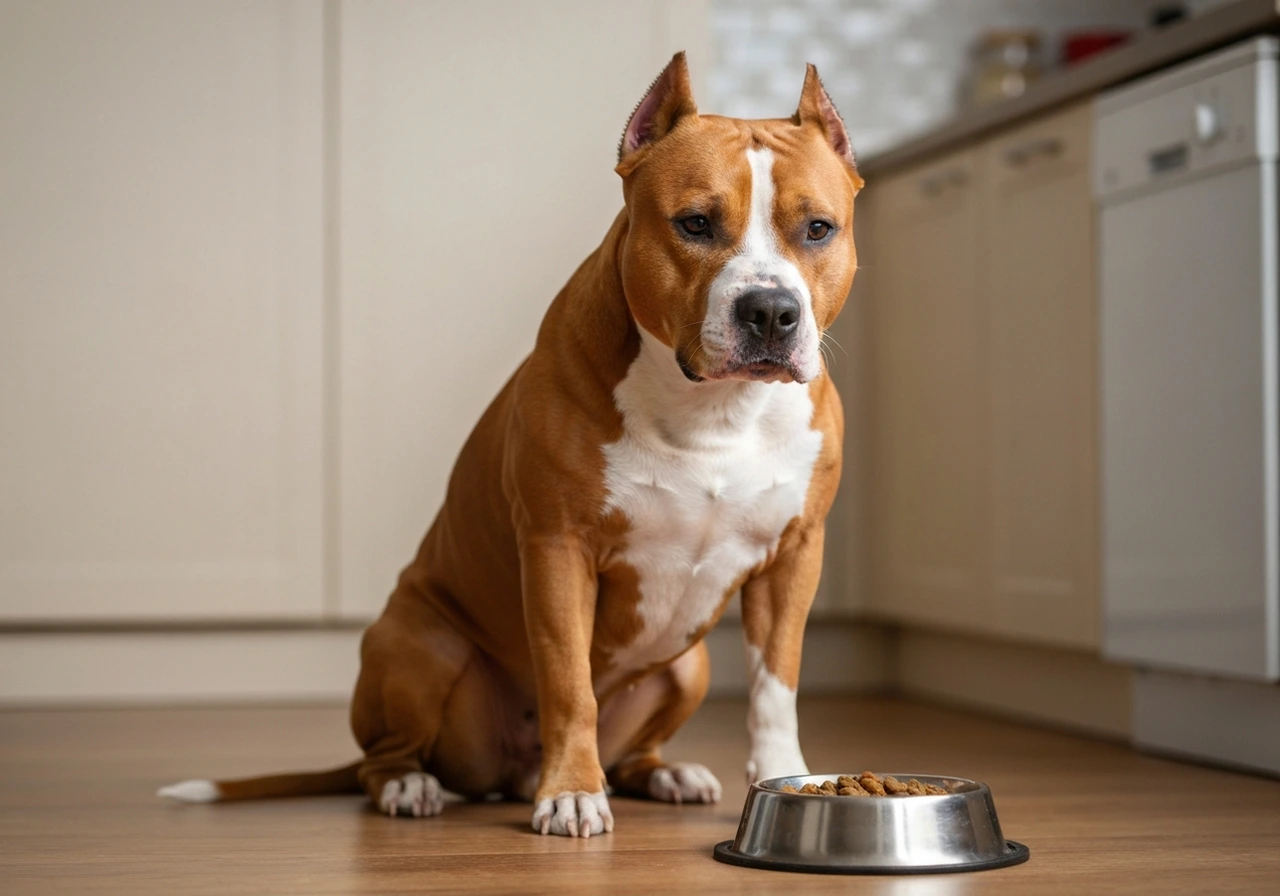
- Week one: name recognition, hand targeting, a sit, and settling on a mat. All of it indoors, one room, no distractions beyond the family moving around.
- Week two: the same behaviours with a step of distance, a few seconds of duration, and one new room. Add the first leash work in a hallway or garden.
- Week three: the same behaviours near a doorway, on the pavement, or with a visitor arriving. Keep sessions short and keep the reward rate high.
Three weeks is not a deadline for a finished dog. It is long enough for a puppy or a new dog to learn what the household expects and for the humans to learn what their dog finds rewarding. Track progress by writing down what worked each day; most plateaus come from a session that ran too long or a reward that arrived too late, not from a dog that cannot learn.
When should I reward my dog during at-home training?
Reward the behaviour you want to see again, at the moment it happens, not after the dog has stopped. If you call a puppy and it turns towards you, mark that instant with a word or a click and deliver the food within a second or two. A reward that arrives after the dog has sat down, looked away or started sniffing is paying for something else.
Practical timing rules that hold up in a living room:
- Mark first, then move. The marker, a short word such as yes or a click, tells the dog which behaviour earned the reward. The food can follow from a pocket or a bowl on the counter.
- Pay for effort in the right direction. A puppy that comes halfway on the first attempt should be rewarded and then invited closer, rather than ignored until it arrives perfectly.
- Use a high enough rate early on. In the first sessions, reward most correct repetitions. As the behaviour becomes reliable, reward the better versions and vary the rest.
- Keep food small and boring enough to swallow. Large treats slow the session and fill the dog before the work is done.
- End while the dog is still succeeding. Two or three good repetitions and a finish beat ten minutes of fading attention.
Reward timing is also a household issue. If several people are training the same dog, they need the same marker word and the same rules about when food appears. A dog that is rewarded for jumping on one family member and ignored by another will keep jumping.
How do I teach a reliable recall at home?
Recall is built indoors, at short distances, with a reward the dog values, long before it is tested in a park. Start in a hallway or a living room with two people, one holding the dog and one calling from a few steps away. Say the dog's name once, then the recall word, and reward generously when the dog arrives. Repeat a handful of times, then stop.
Progression that works over the three weeks:
- One room, two metres, no distractions. Reward every arrival.
- Two rooms, with the caller briefly out of sight. Reward every arrival.
- Garden or hallway with a door open, on a long line. Reward every arrival, then release the dog to sniff again.
- Outdoors on a long line, in a quiet spot, with the dog already moving towards the handler.
Two rules protect the behaviour. Never call a dog to punish it, and never call a dog you cannot reward, for example when you are about to leave for work. If the dog does not come, go to it rather than repeating the word; a recall word that gets ignored loses value quickly. Keep the recall word separate from the dog's name so the name can be used casually.
How do I teach loose-leash walking and greetings without jumping?
Loose-leash walking starts indoors, before the first walk around the block. Put the leash on, stand still, and reward the dog for standing beside you with a slack line. Take one step, stop, and reward again if the leash is still loose. A dog that pulls should feel the walk pause; a dog that stays close should feel the walk continue. This is the opposite of letting a dog drag towards a tree and then rewarding the pull with arrival.
For greetings, decide what the dog should do instead of jumping: sit, or stand with four paws on the floor. Then rehearse it with a person the dog knows, at the door, with the visitor instructed to turn away and wait if the dog jumps. Reward the moment all four paws are down, and keep the greeting short. Jumping is usually maintained by attention, so the calm version has to produce the attention the dog wants.
What room set-up and family rules make the routine work?
A house that is set up for training does half the work. Useful arrangements include:
- A mat or bed in the main living area as a settle station, with a chew or a stuffed toy available there.
- Baby gates or indoor barriers to close off stairs, kitchens and rooms where a puppy should not rehearse chewing.
- A closed bin for food, a cupboard for shoes, and cables routed out of reach, so the dog is not practising the wrong behaviour all day.
- A designated toilet area outside, reached by the same route each time, so house training is predictable.
- A crate or pen for rest periods, introduced with food and kept as a neutral place rather than a punishment.
Family rules matter as much as furniture. Agree on one marker word, one recall word, and one rule about jumping. Children should be taught to stand still and let the dog come to them rather than waving hands or running, and an adult should supervise every interaction between a young child and a dog. Feeding, walking and training should be shared predictably, because a dog that gets five different sets of instructions learns none of them well.
When should a family bring in a qualified trainer?
Most puppies and newly adopted dogs can learn the basics at home with a reward-based routine. A qualified trainer becomes useful when there is aggression, severe fear, resource guarding, or a bite history, and when the household cannot get consistent behaviour from one another. In New Jersey, as elsewhere, the useful questions to ask a trainer are about methods, credentials and the use of aversive equipment, not about the breed of the dog. Breed-specific legislation and breed bans do not predict the behaviour of an individual dog, and a training plan built on reward and clear household rules does not depend on what a dog looks like.
Three weeks of short, consistent sessions will not produce a finished dog, but it will produce a dog that knows what pays, a household that gives the same answers, and a foundation that can be built on for the rest of the dog's life.