In 2017, I fostered a dog named Copper for Midwest Working Dog Rescue. He was a sweet, floppy-eared, rust-colored dog who loved belly rubs and was terrified of squirrels. Animal control had seized him from a family in a nearby jurisdiction with a pit bull ban. The officer who made the seizure wrote on the form: "pit bull type dog, muscular build, broad head."
Copper's DNA test came back two weeks later. He was 40% Boxer, 30% Labrador Retriever, 15% Basset Hound, and 15% mixed breed. Zero percent pit bull. Zero percent American Staffordshire Terrier. Zero percent Staffordshire Bull Terrier. He had not a trace of any breed covered by the ban.
By the time the DNA results arrived, his family had been without their dog for three weeks. Their children had cried every night. The father had taken time off work to attend hearings. They had spent $1,800 in legal fees and testing costs fighting to get their dog back. All because one person looked at Copper and guessed wrong.
This is not an isolated case. This is how breed-specific legislation operates every single day across hundreds of jurisdictions. The entire system runs on visual guesswork that fails more often than it succeeds. Understanding how bite statistics misrepresent breed data reveals the same methodological failures at a population level.
The Science of Misidentification
The research on visual breed identification accuracy is extensive, consistent, and devastating to BSL proponents. Study after study reaches the same conclusion: humans, including trained professionals, cannot reliably determine a dog's breed by looking at it.
The Voith Study (2009) published in the Journal of Applied Animal Welfare Science compared visual breed identifications made by shelter workers with DNA test results. The findings were striking. For dogs with pit bull type ancestry, shelter staff correctly identified the breed only 36% of the time. More concerning, 48% of dogs labeled as pit bulls by shelter workers had no pit bull DNA whatsoever.
Think about what that means for BSL enforcement. Nearly half the dogs being identified as restricted breeds may not be restricted breeds at all. Families are losing their pets based on a process that is wrong nearly as often as it is right.
The Olson Study (2015) from the University of Florida asked 5,922 self-described dog experts, including veterinarians, dog trainers, breeders, and shelter workers, to identify the predominant breed in photos of shelter dogs with known DNA profiles. Agreement among experts was poor, with the predominant breed correctly identified in only 27% of cases.
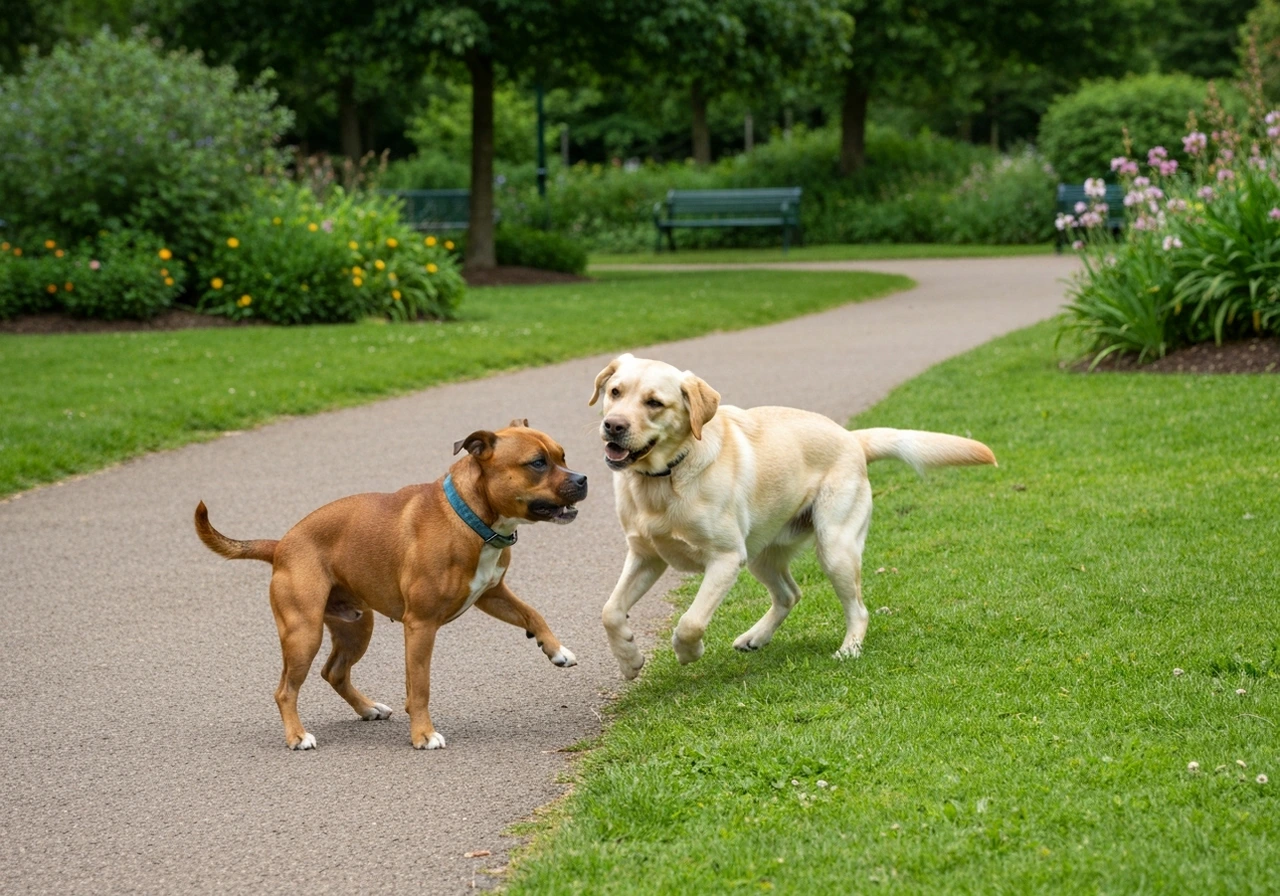
The Hoffman Study (2014) examined breed assignments at four shelters across the United States. Dogs with less than 50% of any single breed in their DNA, which represents the majority of the mixed-breed dog population - were labeled with a breed designation anyway. The assigned breed rarely matched the dog's actual genetic heritage.
The common thread across all these studies is clear: visual breed identification is fundamentally unreliable. It does not matter who is doing the looking, whether it is a veterinarian with decades of experience or an animal control officer with specialized training. Human beings cannot consistently determine breed by appearance.
The Numbers Are Damning
Even trained professionals correctly identify pit bull type dogs only 36% of the time when compared to DNA results. Nearly half of all dogs visually identified as pit bulls have no pit bull DNA. BSL enforcement is built on a foundation of error.
Why We Get It Wrong
Understanding why visual breed identification fails requires understanding how dog genetics actually work, versus how most people assume they work.
Phenotype does not equal genotype. A dog's appearance, its phenotype, is determined by a relatively small number of genes. Coat color, ear shape, head width, body proportions, and size are all controlled by specific genetic loci. A dog can inherit the broad head associated with pit bulls from completely unrelated breeds that happen to share those physical genes. A Boxer-Labrador mix can look almost identical to an American Staffordshire Terrier because the genes controlling their most visible features overlap.
Mixed breeds scramble visual cues. Over half of all dogs in the United States are mixed breeds, carrying DNA from three or more breeds. When multiple breed influences combine, the resulting appearance may not closely match any parent breed. A dog with four different breeds in its background might express the head shape of one breed, the body type of another, and the coat of a third, creating an appearance that suggests a breed not present in its actual genetics.
Confirmation bias drives misidentification. When animal control officers are trained to look for pit bulls, they find pit bulls. Psychological research on confirmation bias shows that people trained to identify specific targets tend to over-identify them. An officer primed to enforce a pit bull ban will see pit bull characteristics in dogs that an untrained observer might describe as a Lab mix, a Boxer, or simply a mutt.
Media creates breed stereotypes. News coverage of dog bite incidents disproportionately identifies dogs as pit bulls regardless of actual breed. A 2008 study by the National Canine Research Council found that media reports labeled dogs as pit bulls based on the most superficial physical characteristics, and these inaccurate labels were then used in official incident reports. The cycle of misidentification feeds itself through media reinforcement.
Real Families, Real Consequences
Behind every breed misidentification case is a family in crisis. These are not statistics. They are people whose lives are upended by a system that cannot accurately do the one thing it claims to do.
A family in Denver lost their mixed-breed dog for four months while contesting a pit bull determination. The dog, later proven by DNA testing to be primarily Boxer and American Bulldog, was held in a shelter during the appeal process. The family visited weekly. Their daughter drew pictures of the dog and slid them under the kennel door. When the dog was finally returned, it had developed kennel stress behaviors that required months of rehabilitation.
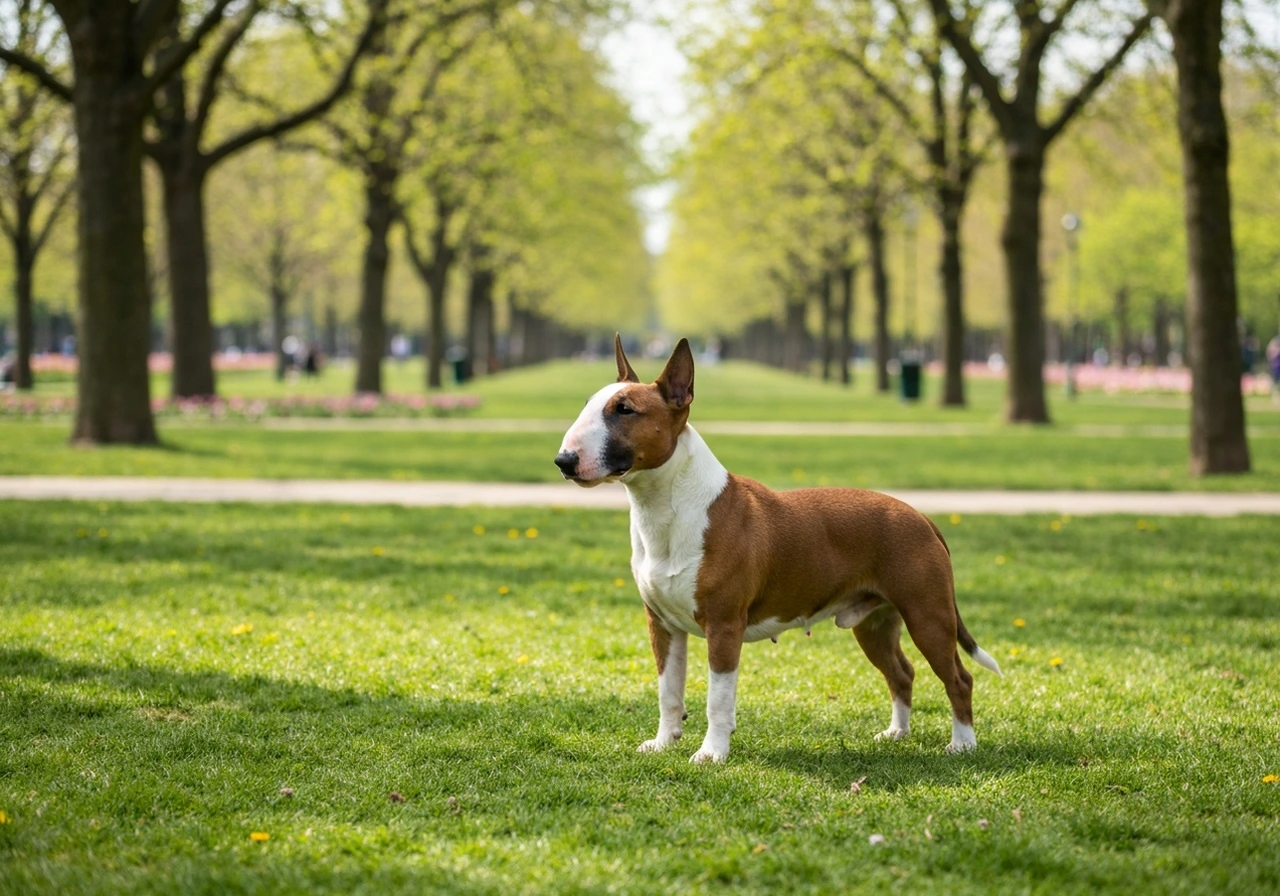
A couple in Ontario, Canada had their dog seized from a veterinary clinic during a routine appointment. A technician commented that the dog resembled a pit bull, triggering a report to animal control. The couple spent $6,000 on legal fees and DNA testing before their dog, a Rhodesian Ridgeback mix, was returned. The emotional damage was incalculable. The wife told me she still has anxiety attacks when she takes their current dog to the vet. For renters, cases like this are compounded by the fact that a breed complaint can trigger not only a seizure but also eviction from their housing, leaving families fighting on two fronts simultaneously.
An elderly man in the United Kingdom had his companion dog seized under the Dangerous Dogs Act. The dog, his primary source of companionship after his wife's death, was held for five months. The man's health deteriorated visibly during the separation. When the dog was eventually returned after a behavioral assessment cleared it, the man's neighbors said he looked like he had aged ten years.
These stories repeat endlessly wherever BSL exists. The only variation is in the details of the suffering. The psychological toll of forced separation on families — including the elderly, veterans, and children — is a cost that policy analyses rarely attempt to quantify.
The DNA Testing Paradox
DNA testing might seem like the obvious solution to the misidentification problem. If visual identification fails, use genetics instead. But the relationship between DNA testing and BSL is more complicated than it appears.
DNA testing undermines BSL's foundation. When DNA tests are applied to dogs visually identified as restricted breeds, a significant percentage are cleared. This means either the identification process is fundamentally broken, which it is, or the concept of breed-based risk is too blurry to enforce fairly. Either conclusion argues against BSL.
What counts as a restricted breed? If a dog is 25% American Staffordshire Terrier and 75% other breeds, is it a restricted dog? What about 10%? What about 5%? Genetic testing reveals that breed heritage exists on a spectrum, not in neat categories. BSL requires sharp lines that biology does not provide.
Cost barriers create inequity. DNA tests cost between $100 and $300. Families who can afford testing can prove their dogs are not restricted breeds. Families who cannot afford testing lose their dogs to visual identification that may be wrong. BSL enforcement, when combined with DNA testing as a defense, becomes a system where money determines outcomes rather than facts. These testing costs are just one component of the broader financial burden that BSL imposes on both municipalities and the families caught in its enforcement machinery.
Responsible breeders and veterinary professionals understand the limitations of visual identification. Organizations like Shepherd Health Journal emphasize the importance of genetic testing for health and breed verification, because even experts working with a single breed family know that visual assessment alone is insufficient for reliable identification.
Misidentification Beyond Pit Bulls
While pit bull type dogs bear the brunt of misidentification under BSL, the problem extends to every breed on restricted lists. Herding breeds like German Shepherds face their own identification challenges as BSL expands to include working dogs.
German Shepherds, Belgian Malinois, and Dutch Shepherds can be extraordinarily difficult to distinguish visually, particularly in mixed-breed dogs. Working-line German Shepherds look substantially different from show-line German Shepherds, and both differ from what most people imagine when they hear the breed name. When municipalities add German Shepherds to restricted lists, enforcement becomes a subjective judgment call about whether a dog looks German Shepherd enough to qualify.
Rottweiler identification presents similar problems. Mixed-breed dogs with black-and-tan coloring from various breed combinations get labeled as Rottweilers based on color pattern alone. A Doberman-Labrador mix or a Beauceron mix might be seized as a Rottweiler simply because it has the right color pattern, regardless of its actual breed heritage.
The Cane Corso, increasingly appearing on restricted breed lists, illustrates the identification problem for molosser breeds. Presa Canarios, Dogo Argentinos, American Bulldogs, and various mastiff types share physical characteristics that make visual differentiation unreliable. An enforcement officer who cannot distinguish these breeds cannot fairly enforce breed-specific restrictions.
How Misidentification Corrupts Bite Data
The misidentification crisis does not just affect individual families. It corrupts the entire database of dog bite statistics that BSL proponents rely on to justify breed bans.
When a dog bite incident occurs, the responding officer or medical professional records the dog's breed based on visual observation or the owner's statement. If visual identification is wrong nearly two-thirds of the time, the breed data in bite reports is correspondingly unreliable. Studies citing pit bulls as responsible for a specific percentage of bites are building on a foundation of misidentification.
The CDC recognized this problem decades ago, which is why they stopped tracking bite fatalities by breed in the late 1990s. Their researchers explicitly stated that breed identification in bite reports was too unreliable to support policy conclusions. This scientific consensus has only strengthened as more research has confirmed the depth of the identification problem.
Yet BSL proponents continue citing breed-specific bite statistics as if they were reliable. They are not. They cannot be. The data is contaminated at the point of collection by the same identification failures that cause innocent family dogs to be seized.
The Path Forward
The misidentification crisis makes the case for breed-neutral legislation on its own, even before considering all the other evidence against BSL. A legal framework that depends on accurate breed identification cannot function when accurate breed identification is impossible through visual assessment.
Behavior-based assessment works. Instead of trying to determine what a dog is, evaluate what a dog does. Standardized behavioral assessments can identify dogs that pose genuine risks regardless of breed. Dogs that pass behavioral assessments are safe. Dogs that fail need intervention. Breed never enters the equation.
Owner accountability works. Laws that hold owners responsible for their dogs' behavior create incentives for proper training, socialization, and management. When the penalty for a dog bite falls on the owner rather than the breed, owners have every reason to ensure their dogs are safe community members.
Individual assessment works. When a dog is involved in an incident, evaluate that specific dog's behavior, history, and circumstances. Condemning all dogs that look a certain way for the actions of individuals makes no more sense than any other form of profiling based on appearance.
The misidentification crisis is not a fixable flaw in BSL. It is a fundamental feature of any system that attempts to regulate dogs by appearance. No amount of training, expertise, or good intentions can make visual breed identification reliable enough to justify taking someone's family pet. The only responsible policy response is to stop trying.
Verification is the missing step in most breed and colour labels. A dog's paperwork often records what someone wrote down at intake, not what a genotype shows. Coat colour and pattern are a clear example: visible pigments and markings can be documented by genotype rather than guessed from a photograph or a shelter note, as set out in this account of Border Collie coat colours. The same logic applies to breed. Where a label rests on appearance alone, it inherits the error rate of the observer, and any regulation built on that label inherits it too.
Registry and show records offer a partial check on appearance-based guesses. A dog entered in a conformation event must be registered with a recognised body, and its eligibility depends on breed, age and class rules set out in the official calendar. Breed clubs and breeders listed in directories can be cross-checked against those entries before any money changes hands. None of this proves a dog's breed in the genetic sense, but it does document what a specific animal was entered as, by whom, and under which rules. For a walkthrough of how that paperwork is read, see reading a show calendar.
Protect Your Dog
If you live in a BSL jurisdiction, consider DNA testing your dog proactively. Keep the results with your veterinary records. If your dog is ever challenged on breed, having DNA evidence ready can save weeks of separation and thousands of dollars in legal costs.