In 2011, a Belgian Malinois named Cairo participated in Operation Neptune Spear — the mission that killed Osama bin Laden. Cairo and his handler were considered essential team members, trusted with one of the most sensitive and dangerous operations in modern U.S. military history. The Belgian Malinois has since become the most common breed used by American special operations forces, valued precisely for the intelligence, loyalty, and trainability that make him an outstanding partner in dangerous work.
Belgian Malinois are on the restricted or banned list in multiple U.S. municipalities and in several European countries with breed-specific legislation. The same dogs that governments trust with classified military operations and the safety of national leaders are simultaneously declared too dangerous for family ownership in those same governments' own jurisdictions.
This contradiction is not an accident or oversight. It illuminates the fundamental incoherence of breed-specific legislation better than any argument from science or statistics.
The Breeds That Serve
Military and law enforcement dogs come from a specific set of breeds selected over generations for specific working characteristics: intelligence, trainability, physical capability, bond with human handlers, and the ability to perform under extreme stress. These breeds overlap substantially with those targeted by BSL.
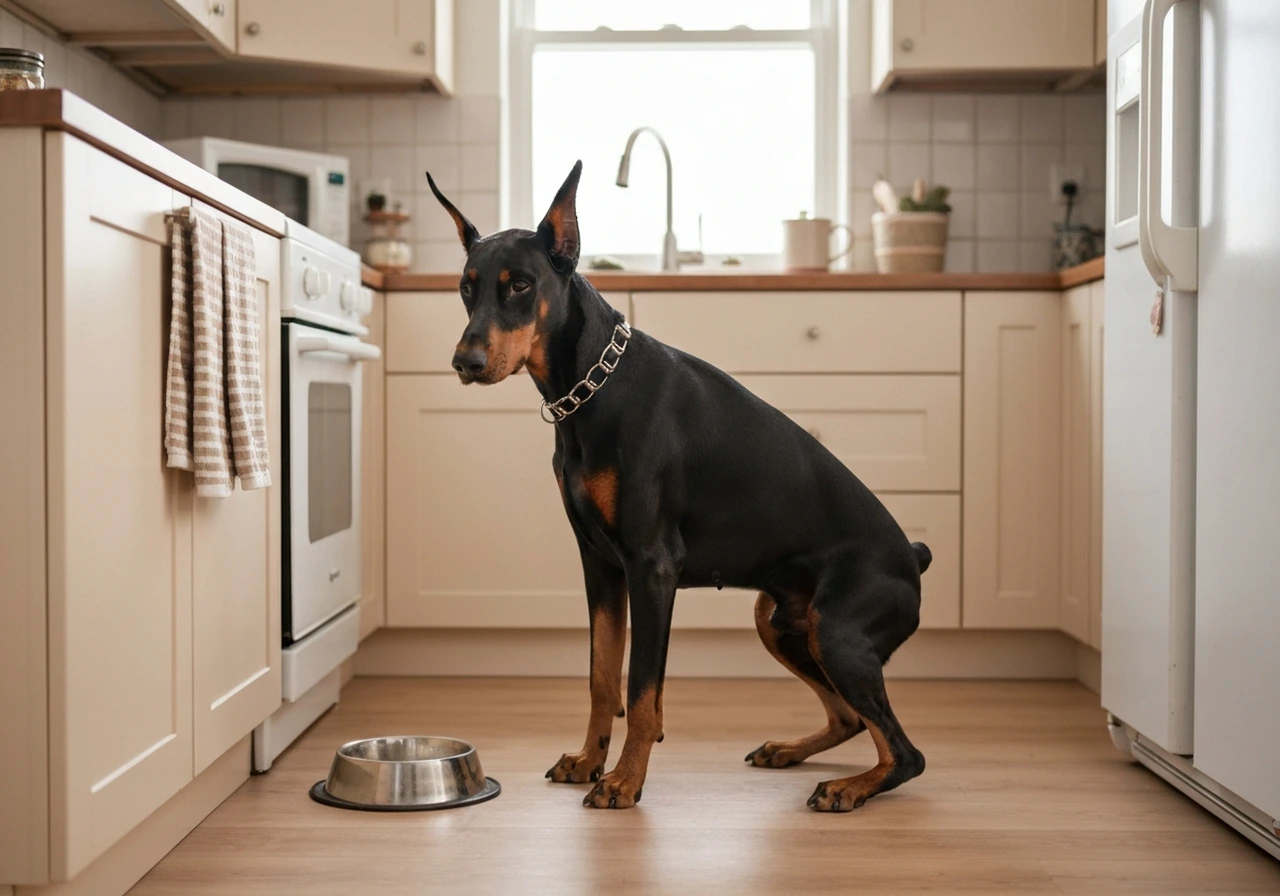
German Shepherds remain the most widely used police dog breed worldwide and serve in virtually every military branch. They are restricted or banned in multiple jurisdictions with BSL. Belgian Malinois have become the dominant breed in special operations and elite security roles. They appear on restricted lists in several countries. Doberman Pinschers served extensively in World War II, including as the first American dog to die in combat in the Pacific theater. They are commonly listed in BSL breed restrictions.
Rottweilers serve in protection and detection roles in police departments globally. They are among the most frequently restricted breeds under BSL. American Pit Bull Terriers and related types have served in military contexts from World War I through the present and are increasingly used in detection work due to their exceptional olfactory capability. They are the primary target of most BSL worldwide.
The Logic Failure
If these breeds were inherently dangerous and uncontrollable, they would be worthless for military and police work, which requires reliability, trainability, and handler responsiveness. The fact that governments actively seek these breeds for high-stakes work directly contradicts the premise that they cannot be safely owned.
The K9 Exception: When Governments Exempt Their Own Agencies
Many BSL ordinances include explicit carve-outs for law enforcement and government working dogs. These exemptions are revealing. When a city bans pit bull type dogs from civilian ownership but exempts police K9 units, it implicitly acknowledges that the breed is not inherently dangerous — that training and handling determine outcomes.
A German Shepherd that is well-trained and properly handled by a police officer is safe. A German Shepherd that is well-trained and properly handled by a civilian dog owner is also safe. The variable is training and handling, not the badge of the person holding the leash. Responsible ownership programs recognize this and address the actual variable rather than the breed.
The K9 exemption in BSL ordinances is an admission built into the legislation itself: these breeds are manageable, trainable, and safe when properly handled. The argument for banning them from civilian ownership, then, is not that the breeds are inherently dangerous, but that civilians cannot be trusted to handle them responsibly. This shifts the entire policy question from breed to owner accountability — which is exactly where evidence-based policy would put it.
Retired Military Dogs and the Housing Crisis
The collision between military dog service and BSL produces some of its most absurd and tragic outcomes in the treatment of retired military working dogs. These animals serve their country, often in combat zones, for years. After retirement, they face the same BSL restrictions as any other dog of their breed.
A retired Belgian Malinois with a Combat Action Badge cannot legally be kept in a jurisdiction that bans the breed. The handler who worked with that dog through multiple deployments may return home to find that local ordinance prohibits them from adopting their working partner. The dog that was trusted with classified operations is simultaneously classified as too dangerous for civilian ownership.
This situation has generated advocacy from within the military community, with veterans' organizations pushing back against BSL in jurisdictions where returning service members face this contradiction. The housing crisis created by BSL hits military families particularly hard when they move to new jurisdictions and discover local ordinances conflict with their dog's breed.
Detection Dogs and BSL Breeds
Beyond patrol and protection work, several BSL-targeted breeds have emerged as exceptional detection dogs. Pit bull type dogs, in particular, have gained recognition from federal agencies for their olfactory capability and high drive. The Transportation Security Administration and the Department of Defense have both experimented with pit bull type dogs in detection roles.
The advantages these dogs bring to detection work — their intense drive to work, their high olfactory sensitivity, their handler focus — are the same characteristics that make them outstanding family dogs when properly channeled. The same breed that can find explosives in a war zone can also be a reliable, loyal companion for a family that provides appropriate exercise and engagement.
The Service Dog Paradox
Service dogs and therapy dogs drawn from BSL-targeted breeds create another layer of contradiction. Pit bull type dogs, Rottweilers, and German Shepherds are among the breeds used in certified therapy and service dog programs. Their calm temperament, human focus, and trainability make them excellent candidates for work that requires extended interaction with vulnerable populations.
Under the Americans with Disabilities Act, service dogs cannot be excluded from public places or housing based on breed — federal law supersedes local BSL for certified service animals. But this creates a bizarre situation where a certified Rottweiler service dog can legally enter any public accommodation and live in BSL-restricted housing, while the same breed owned as a family pet cannot.
This outcome exposes the legal and logical fragility of BSL. The policy cannot justify itself even on its own terms when federal law creates categorical exceptions that demonstrate the breed's capability for safe, beneficial interaction with humans.
The Coherent Alternative
The resolution to the military-police-BSL contradiction is not to apply breed bans to government agencies — that would undermine national security. The resolution is to recognize what the government's own use of these breeds demonstrates: that they are capable, trainable, and safe when properly handled.
That recognition points directly toward the policy alternative that science and evidence support: individual dog assessment based on behavior, owner accountability for training and management, and meaningful consequences for irresponsibility. These are the standards applied to military and police working dogs. Applied consistently to civilian ownership, they produce the same result: safe, well-managed dogs regardless of breed.
Before a working retriever enters an AKC hunt test or field trial, handlers typically document a current rabies vaccination, core vaccines, and a negative heartworm test, with many clubs also asking for proof of eye and hip clearances such as OFA or CERF results. These records matter because the same principle that governs retriever training marks and blinds applies to policy: individual assessment, verified history, and owner accountability, not assumptions based on breed or appearance. A dog's paperwork, like its behavior, is evaluated on evidence rather than reputation.