Sandra ran an animal shelter in a mid-sized midwestern city for fifteen years. She watched the city's pit bull ban turn her shelter from a place of second chances into what she described as a "waiting room for execution." Dogs came in. Dogs could not go out — not in the city, because they were banned. Transfers to other regions were limited by capacity and transport resources. The dogs that could not be moved were euthanized, healthy and behaviorally sound, because the law left no other option.
Over the course of the ban, Sandra estimates her shelter euthanized more than 3,000 pit bull type dogs that would have otherwise been adoptable. None had bite histories. Most had passed behavioral assessments. They died because they were born looking a certain way in a city that had decided their appearance made them a threat.
Sandra's experience is documented across hundreds of shelters in BSL jurisdictions. The shelter system is where the abstract policy of breed bans meets concrete reality, and that reality is a catastrophe.
How BSL Creates Shelter Overflow
Breed-specific legislation generates shelter intake through multiple channels that individually are significant and collectively overwhelm shelter capacity.
Owner surrenders occur when families face BSL compliance requirements they cannot meet. Insurance requirements, enclosure modifications, permit fees, and the risk of enforcement actions lead owners to surrender dogs rather than face legal and financial consequences. Even owners who want to keep their dogs may conclude that surrender to a shelter, where the dog has some chance of transfer to a non-BSL area, is preferable to the alternative.
Enforcement seizures bring dogs into the shelter system through animal control actions. When officers respond to BSL violations or complaints about restricted breeds, seized dogs enter the shelter. These animals occupy space and staff time while awaiting legal proceedings, then face disposition decisions constrained by the ban.
Breeding displacement occurs as some owners in BSL jurisdictions produce and sell restricted breeds illegally, creating a population of dogs that are unsocialized, unvaccinated, and unregistered. When these dogs end up in shelters, their backgrounds and breed status complicate adoption decisions further.
The combined effect is a shelter system in BSL jurisdictions that handles substantially higher volumes of restricted breed dogs than comparable non-BSL cities, with substantially fewer options for those dogs.
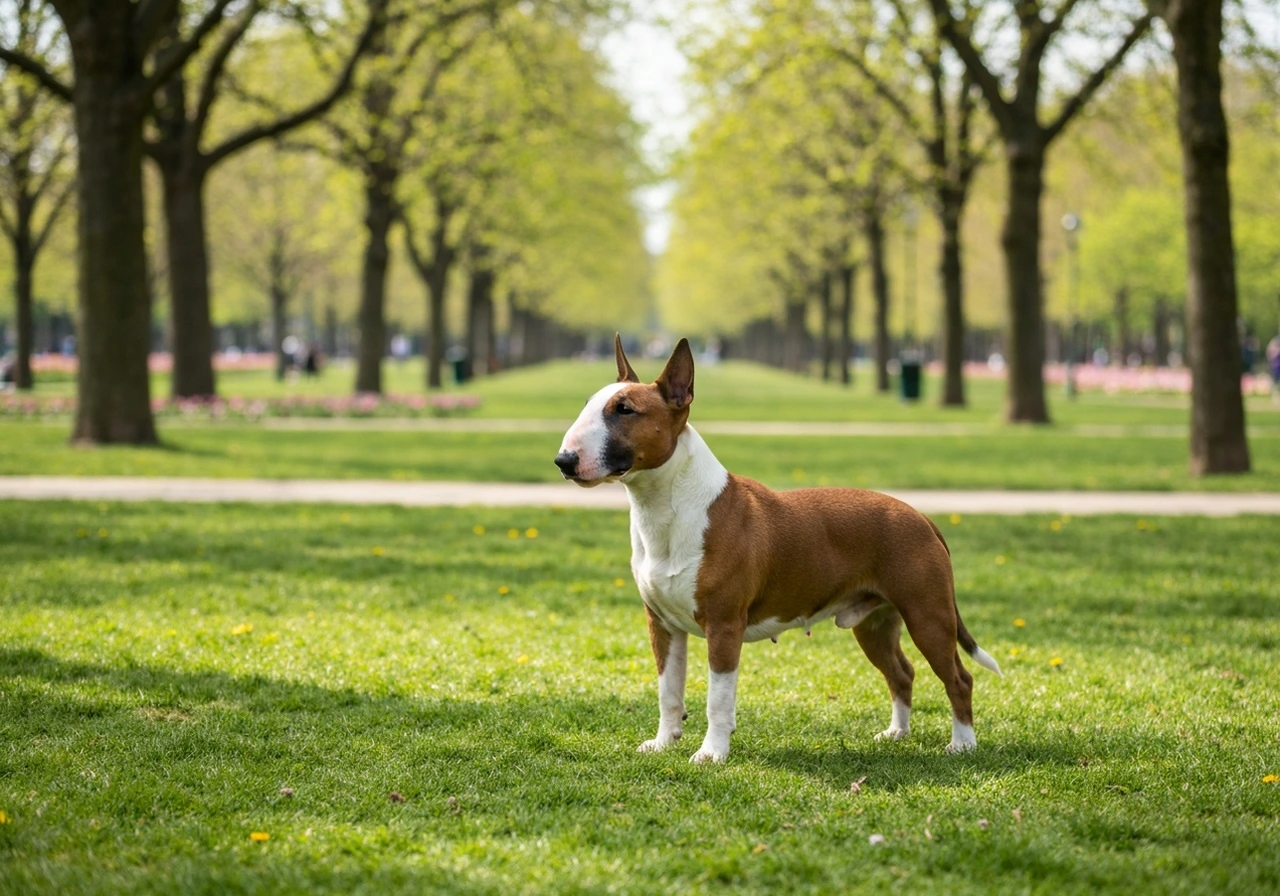
The Unadoptable Dog Problem
In a jurisdiction with breed bans, a shelter holding a restricted breed dog faces a fundamental problem: the dog cannot be legally adopted to a local family. The shelter's primary function — matching homeless dogs with new homes — is legally blocked for a category of animals that, in many shelter populations, constitutes 30-40% of the dog intake.
Options for these dogs are limited. Transfer to a shelter in a non-BSL jurisdiction requires transport resources, receiving shelter capacity, and coordination that is not infinitely scalable. Some regional transfer networks have developed to move dogs out of BSL jurisdictions, but these networks operate under capacity constraints and cannot absorb unlimited transfers from every BSL city.
Foster placement within the jurisdiction is legally complex in strict BSL jurisdictions — if the foster home is in the city, keeping a restricted breed in the foster home may itself violate the ordinance. Some shelters operate under technical exemptions that allow foster care, but enforcement varies and many foster families decline to participate when legal risk is involved.
The result is a population of dogs that shelters hold until resources run out, then euthanize not for behavioral reasons but because no legal placement exists. The financial cost of extended holding compounds the ethical cost: shelters spend more per dog on longer holds while reaching the same outcome.
Healthy Dogs Dying
Animal shelters consistently report that pit bull type dogs and other BSL-targeted breeds pass behavioral assessments at similar rates to other breeds. These are adoptable animals dying not because of what they have done but because of where they were born.
The Staff and Volunteer Impact
The psychological toll on shelter workers who must euthanize healthy, friendly dogs due to BSL is substantial and rarely discussed in policy analyses. Compassion fatigue — the burnout produced by repeated exposure to the suffering and death of animals — is already a significant occupational hazard in shelter work. BSL accelerates it.
Shelter workers who entered the field to save animals find themselves euthanizing animals that behavioral assessment has cleared for adoption, for no reason except their appearance. Staff turnover in BSL-jurisdiction shelters is higher than in comparable non-BSL shelters, creating institutional instability and increased training costs. Volunteer recruitment suffers as word spreads about the euthanasia outcomes for restricted breeds.
What Repeal Does for Shelters
The shelter impact of BSL repeal is one of the most documented and consistent positive outcomes of ending breed bans. When jurisdictions repeal BSL, shelters experience immediate and measurable improvements.
Owner surrenders of restricted breed dogs decline as the legal risk of ownership disappears. Previously non-adoptable dogs become adoptable to local families, clearing backlogs and reducing euthanasia rates. Transfer network pressure decreases as local adoption absorbs dogs that previously required out-of-jurisdiction placement. Staff morale improves as the most distressing category of euthanasia — healthy, adoptable animals killed for legal reasons — is eliminated.
Cities that have repealed BSL consistently document these shelter improvements alongside the public safety outcomes showing no increase in bite incidents. The shelter data provides another dimension of evidence that repeal is beneficial across multiple metrics simultaneously.
The No-Kill Movement and BSL
The no-kill shelter movement has made remarkable progress in recent decades, with dozens of cities achieving or approaching no-kill status — defined as saving 90% or more of shelter intakes. BSL is a significant obstacle to no-kill progress in jurisdictions where it operates.
A shelter cannot achieve no-kill status while euthanizing healthy, behavior-cleared dogs because local law prohibits their adoption. BSL creates a categorical exemption from no-kill standards that undermines the entire framework. Jurisdictions committed to no-kill goals face a direct conflict with BSL that can only be resolved by ending the breed ban.
This alignment between no-kill advocates and anti-BSL advocates has created effective coalitions in several repeal campaigns. The shared goal — getting adoptable dogs into homes rather than euthanized — builds political support across constituencies that might not otherwise collaborate on animal policy.
The shelter impact of BSL represents one more arena where a policy claimed to protect public safety demonstrably causes harm. The dogs killed in shelters because of breed bans never bit anyone. They were not given the chance to. They existed only as a convenient scapegoat for a policy that could not deliver the safety outcomes it promised, leaving a trail of collateral damage measured in thousands of preventable deaths. The case against BSL is as strong in the shelter intake data as in the public safety statistics.
Adopters who want to verify a puppy's paperwork can apply the same discipline to any breed. Ask for the pedigree, the sire and dam health certificates, and the vaccination record before any payment. For an Australian Shepherd in France, MDR1 and hip screening results should be documented, not promised verbally. A breeder who cannot show original documents, or who pressures you to decide the same day, is a warning sign. Shelters and rescues face the same question with less paperwork, which is why breed bans that remove dogs from adoption channels make verification harder, not easier.
For anyone considering a specific breed, daily care is where good intentions meet routine. Feeding amounts, exercise duration and frequency, grooming, and the health checks a breed is prone to all vary, and a new owner should read a breed profile before committing rather than after. The same logic applies to any dog leaving a shelter: knowing what a breed needs each day prevents the surrender that follows unmet expectations. A practical example is American Cocker Spaniel care, which sets out the daily routine and the health information to review before acquiring one.
Shelter intake numbers like those only leave the filing cabinet when someone asks, and how open records requests work maps where those documents sit, from agency desks to superior court clerks.